

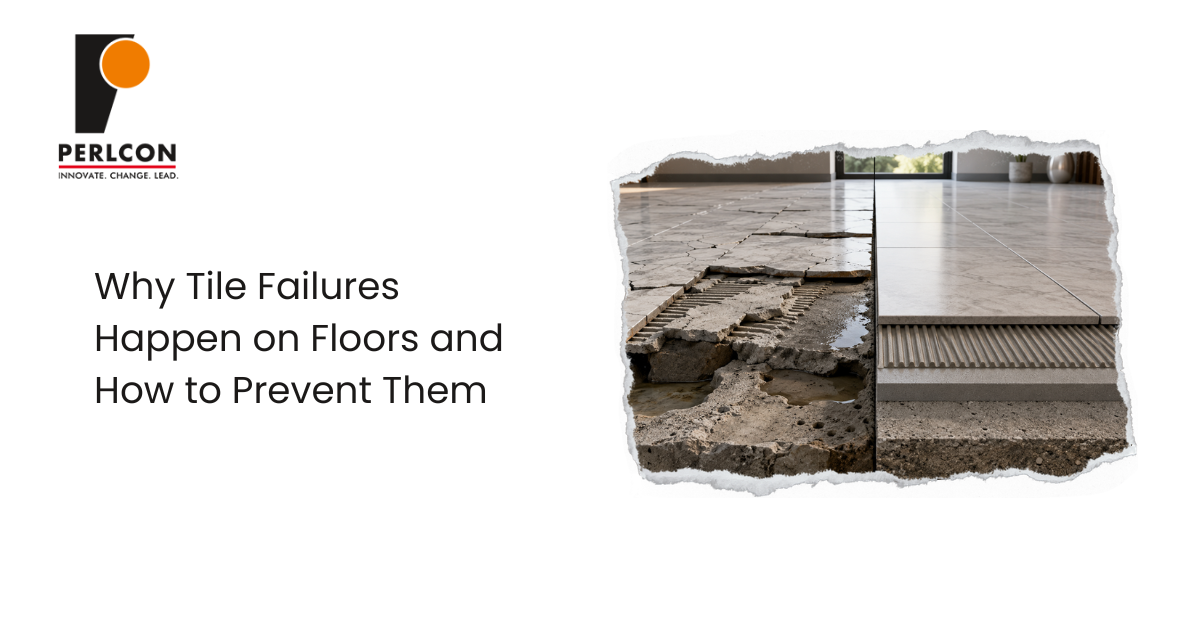
You’ve picked the perfect tiles. The design looks great, the color matches the space, and everything seems flawless. Then, a few months later, cracks appear. Some tiles sound hollow when tapped. Others start lifting at the corners. Frustrating right? Absolutely.
The truth is that tile failures rarely happen because of the tiles themselves. More often, the problem starts underneath. Poor installation practices, unsuitable materials, or using the wrong floor tile adhesive can lead to expensive repairs down the road.
Let’s look at some of the most common reasons floor tiles fail and how you can avoid them.
1. Poor Surface Preparation
A strong tile installation starts with a properly prepared floor. Dust, oil, moisture, and uneven surfaces can weaken the bond between the tile and adhesive.
Imagine trying to stick tape onto a dirty surface. It won’t hold for long. The same principle applies to tiles.
Before installation, the substrate should be clean, dry, and level. Even small imperfections can create weak spots that eventually lead to cracks or loose tiles.
2. Using the Wrong Adhesive
Not all adhesives are created equal.
Many tile failures occur because installers use a product that isn’t suitable for the tile size, floor type, or environmental conditions. Large-format tiles, heavy-duty flooring, and areas exposed to temperature changes require specialised solutions.
A high-quality floor tile adhesive provides strong bonding, flexibility, and durability. It helps tiles stay firmly in place even when the floor experiences slight movement or stress over time.
3. Inadequate Adhesive Coverage
This issue is more common than most people realise.
When adhesive isn’t spread evenly beneath the tile, empty pockets remain underneath. These hollow areas create weak points that can crack under pressure.
Heavy furniture, foot traffic, or accidental impacts can cause tiles to break where support is missing. Proper troweling techniques and complete adhesive coverage help eliminate this risk.
4. Ignoring Expansion and Movement
Buildings naturally expand and contract due to temperature changes, moisture, and structural movement.
Without adequate movement joints, the pressure has nowhere to go. The result? Tiles may crack, tent, or lift away from the floor.
Professional installers account for these movements during installation, especially in large spaces and outdoor areas.
5. Moisture Problems
Water can be surprisingly destructive.
Excess moisture beneath the floor can weaken adhesive bonds and cause tiles to loosen over time. Bathrooms, kitchens, balconies, and basements are particularly vulnerable.
Proper waterproofing systems and moisture-resistant installation materials play a crucial role in preventing future failures.
Build Floors That Last
Preventing tile failures isn’t complicated. It comes down to proper surface preparation, skilled installation, moisture control, and selecting the right floor tile adhesive for the application.
For reliable building material solutions designed to improve performance, durability, and installation efficiency, Perlcon offers innovative products backed by decades of manufacturing expertise. With a strong reputation for quality and advanced construction materials, Perlcon helps builders and homeowners create floors that stay strong, stable, and beautiful for years to come.