

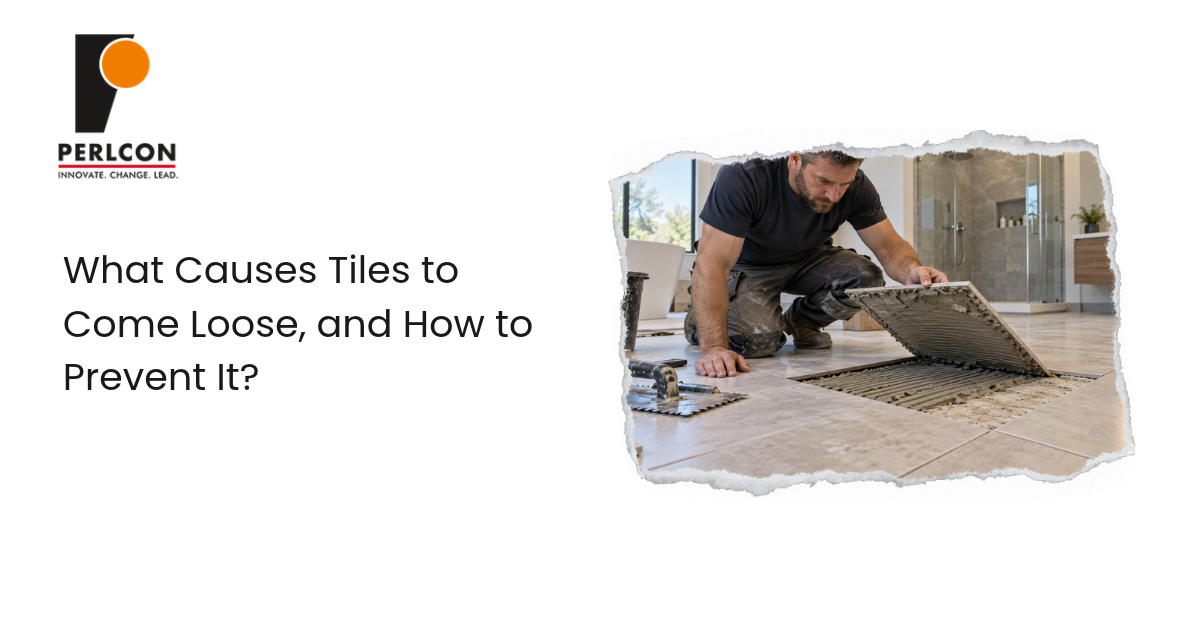
Few things are more frustrating than noticing a loose tile on a freshly finished floor or bathroom wall. That slight movement might seem harmless, but it can signal a problem beneath the surface. Poor installation, moisture, and temperature changes can all affect how well tiles stay in place. The good news is that there are suitable materials you can select and install properly, which can prevent many of these issues and help tiled surfaces remain strong and attractive for years.
Factors That Cause Tiles To Come Loose & Tips To Prevent It!
1) Poor Surface Preparation
Tiles need a clean, stable, and level surface to bond properly. Dust, grease, loose concrete, or uneven patches can weaken adhesion and create empty spaces beneath tiles. Before installation, the surface should be cleaned, repaired, and prepared according to the adhesive manufacturer’s instructions. Allowing the substrate to cure properly is equally important. Skipping these steps may cause tiles to loosen, crack, or develop hollow sounds when tapped.
2) Using the Wrong Adhesive
Not every adhesive works for every tile or surface. Large-format tiles, natural stone, and tiles installed in wet areas may require different adhesive properties. Using ordinary cement mortar where a specialised product is needed can lead to bonding problems. A suitable tile fixing adhesive should match the tile material, substrate, location, and environmental conditions. Always check the product specifications and recommended application thickness before starting installation.
3) Moisture and Temperature Changes
Water can weaken poorly installed tiled surfaces, particularly when moisture enters through damaged grout, leaking pipes, or inadequate waterproofing. Temperature fluctuations can also cause building materials to expand and contract, placing stress on tile bonds. Bathrooms, balconies, kitchens, and outdoor areas need appropriate waterproofing and drainage wherever required. Movement joints should also be incorporated in accordance with installation guidelines.
4) Incorrect Installation Techniques
Even good-quality materials can fail when installation is rushed. Applying too little adhesive, allowing it to form a dry skin before placing tiles, or failing to achieve adequate coverage can create weak bonding. Installers should follow the recommended mixing ratios, working time, and application method. Back-buttering may be necessary for certain tiles to improve coverage. Choosing products from a reliable building materials manufacturer in India and following the technical instructions can help ensure consistent installation quality.
5) Ignoring Maintenance and Early Warning Signs
Loose tiles rarely improve on their own. Hollow sounds, cracked grout, visible movement, and gaps around tile edges can indicate developing problems. Address these signs early, rather than waiting for tiles to break or detach completely. Repair damaged grout, investigate moisture sources, and replace severely compromised tiles when necessary. Avoid using harsh chemicals that may damage grout or surrounding finishes. Regular inspections help identify minor issues before they become expensive repairs.
In Conclusion
Loose tiles can result from poor preparation, unsuitable adhesives, moisture, temperature changes, or incorrect installation. Preventing these problems starts with selecting the right materials, preparing surfaces carefully, and following recommended installation practices. Using an appropriate tile-fixing adhesive and sourcing reliable products from an experienced building materials manufacturer in India, such as Perlcon, can help improve durability.