

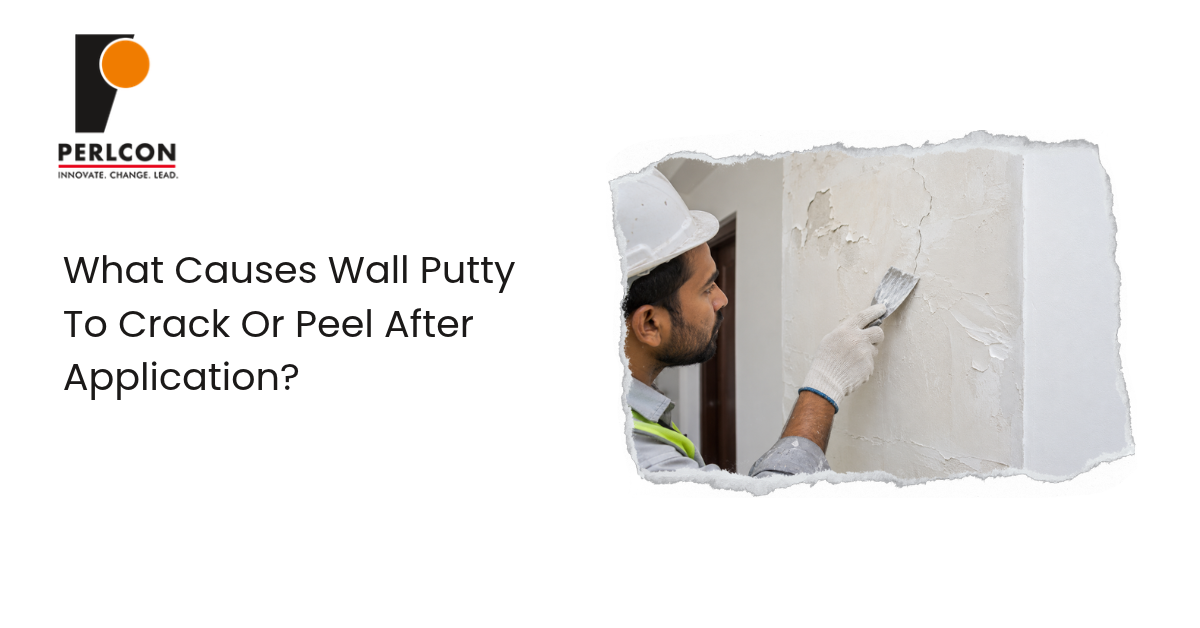
A freshly prepared wall should provide a smooth, even surface for painting. However, finding cracks or peeling patches just days after applying putty can be disappointing. More importantly, these defects may indicate problems beneath the surface that need attention. Wall putty plays an important role in creating a durable paint finish, so getting its application right matters. From surface preparation to material quality, let’s look at five common reasons behind these problems and how to prevent them!
The Wall Wasn’t Properly Prepared
Think of wall putty as a coating that needs a stable foundation. If the wall has dust, loose plaster, grease, or flakes of old paint, the putty cannot form a proper bond. As it dries, weak patches may start lifting or peeling. Proper preparation is therefore essential. Clean the surface, remove loose particles, repair damaged areas, and make sure the wall is dry before application. This creates a suitable base and helps the putty adhere properly.
Too Much Water Went Into The Mix
The mixing process directly affects the consistency and performance of wall putty. Adding excess water can weaken the mixture and affect its bonding ability. On the other hand, a mixture that is too thick becomes difficult to spread evenly. Always follow the manufacturer’s recommended water ratio and mix until you get a smooth paste. Prepare only the quantity you can use within the recommended working time, as adding water later to revive setting putty can compromise its performance.
The Putty Was Applied Too Thickly
Covering every uneven patch in one go might seem convenient, but applying a thick layer can create problems during drying. Excessive thickness may cause uneven drying and shrinkage cracks, affecting the final finish. Instead, apply thin, uniform coats and allow each layer to dry as instructed. Gentle sanding between coats, where recommended, helps create an even surface. Following the correct application process improves the finish and reduces the chances of recurring cracks.
Moisture Is Hiding Behind The Problem
Moisture-related damage requires particular attention because applying fresh putty over a damp wall rarely solves the problem. Water seepage, leaking pipes, damp plaster, or moisture entering through exterior walls can weaken putty from underneath. This may lead to bubbles, peeling, or cracks. Identify and fix the source of moisture before starting the work. Allow the wall to dry completely and follow the recommended application conditions to prevent further damage.
The Putty Quality Wasn’t Suitable
Even the correct application cannot deliver lasting results if the material itself is unsuitable. Poor-quality products, expired materials, improper storage, or putty that does not suit the surface can affect adhesion and durability. Check the packaging, expiry date, and application instructions before purchasing. A reliable wall putty manufacturer in India can provide product guidance and help identify a suitable solution for your wall type and project requirements. Quality materials form an important part of a dependable wall finish.
In Conclusion
Cracks and peeling are more than just surface imperfections; they can signal problems with preparation, application, moisture control, or material quality. Identifying the actual cause is essential before attempting repairs. At Perlcon, we understand the importance of quality construction materials and proper application practices. Choosing products from a trusted wall putty manufacturer in India and following the recommended application methods can help prevent recurring damage. After all, a smooth, strong wall is not just about appearance; it provides the right foundation for a lasting paint finish.